The rise of private car leasing – why more drivers choose to lease rather than own

The rise of private car leasing – why more drivers choose to lease rather than own
In recent years, private car leasing has gained remarkable ground in the UK automotive market. Once mainly the preserve of company car drivers, leasing is now becoming increasingly popular among private motorists. For many, it’s about financial predictability, flexibility, and freedom from the worries of depreciation and resale. But what’s really behind this shift – and what should you consider before signing a lease agreement?
A new way of thinking about car ownership
Traditionally, owning a car has been seen as a symbol of independence and success. Yet as the car market evolves and new technologies such as electric and hybrid vehicles become mainstream, many drivers are beginning to view cars as a service rather than a long-term investment.
Private leasing fits perfectly into this mindset. Instead of tying up large sums in a purchase, you pay a fixed monthly fee to drive a car for a set period – typically two to four years. When the contract ends, you simply hand the car back and can choose a new model. This flexibility appeals to drivers who value convenience and the ability to adapt to changing needs.
Financial predictability and fewer worries
One of the biggest advantages of leasing is financial clarity. The monthly payment usually covers depreciation, servicing, and warranty, meaning you avoid unexpected repair bills. This makes budgeting easier – particularly at a time when many households are keeping a close eye on their regular expenses.
Leasing also removes the risk of depreciation, which can be substantial, especially for new cars. When the lease ends, it’s the leasing company that takes on the responsibility of selling the vehicle. For many, that peace of mind is worth a great deal.
Access to the latest models – without long-term commitment
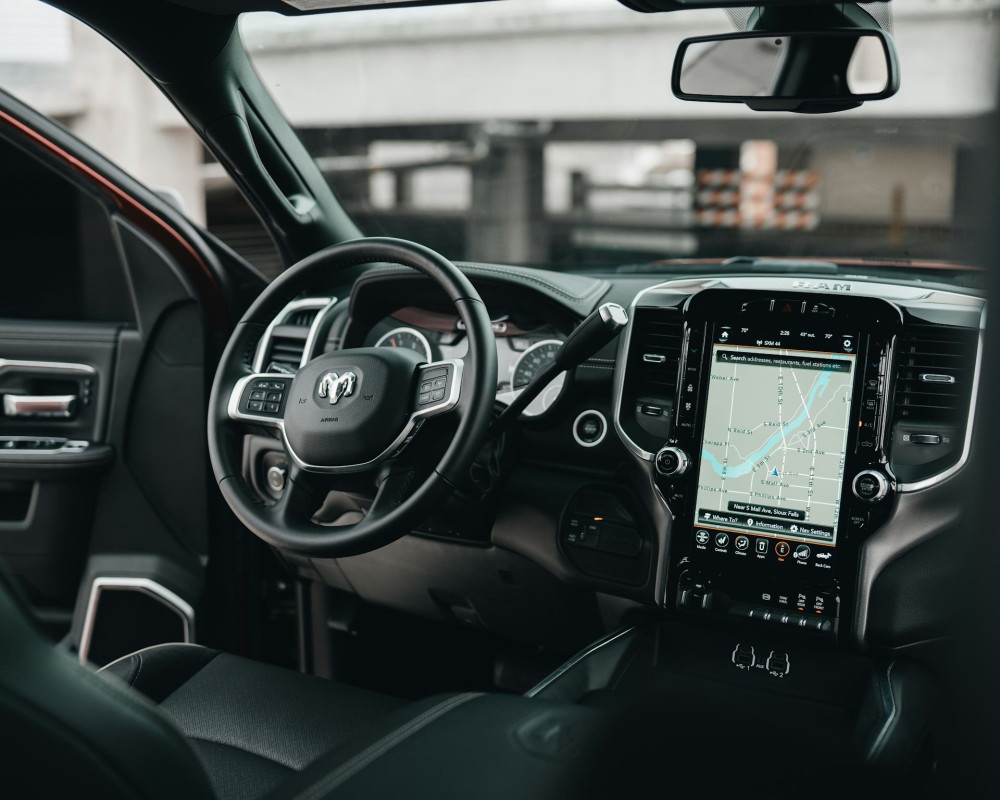
The pace of technological change in the car industry is faster than ever. New safety features, improved battery ranges, and advanced infotainment systems mean that cars can feel outdated within just a few years. Leasing allows drivers to upgrade more frequently and stay up to date with the latest innovations without the hassle of selling an old car.
Shorter contract terms also make it easier to adapt to life changes – whether that’s needing a larger car for a growing family or wanting to try an electric vehicle for the first time.
The downsides – and what to watch out for
Despite its advantages, leasing isn’t always the cheapest option in the long run. The total cost can end up higher than buying, particularly if you drive fewer miles or take good care of your car.
It’s also important to read the fine print. Mileage limits, return conditions, and potential charges for wear and tear can all affect the final cost. Comparing offers from different providers and understanding what’s included in the monthly payment is essential before committing.
Another consideration is freedom. When you lease, you don’t own the car – meaning you can’t modify it, sell it, or use it as a trade-in. For some, that’s a drawback; for others, it’s a relief to have fewer responsibilities.
Læs også:
Electric cars and the green transition
The shift towards electric vehicles has given private leasing an extra boost. Many drivers are curious about EVs but hesitant to buy due to concerns about battery life, charging infrastructure, and resale value. Leasing offers a way to test the technology without a long-term commitment.
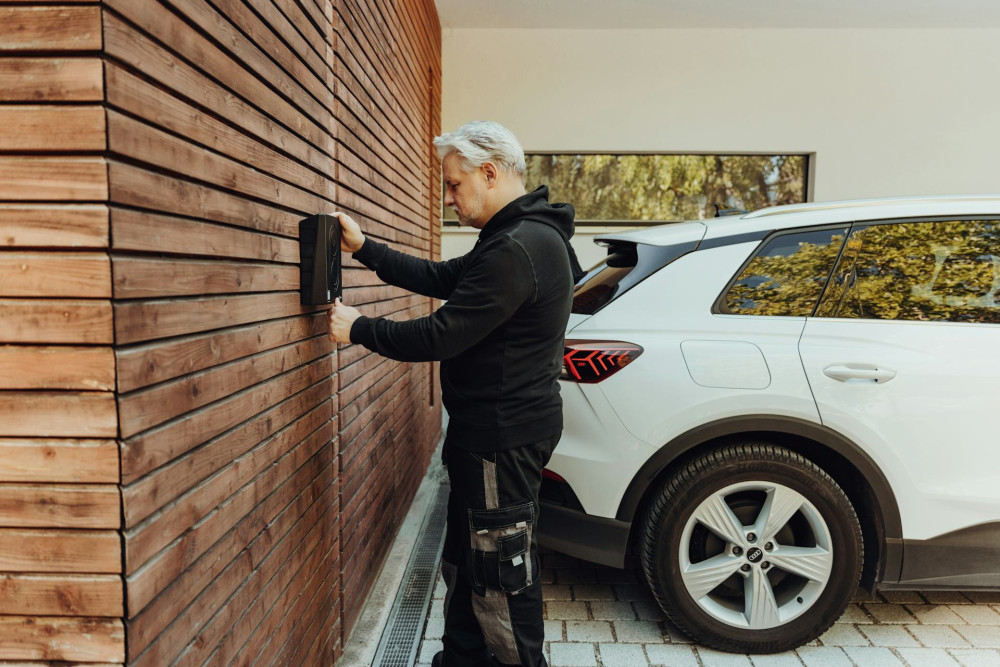
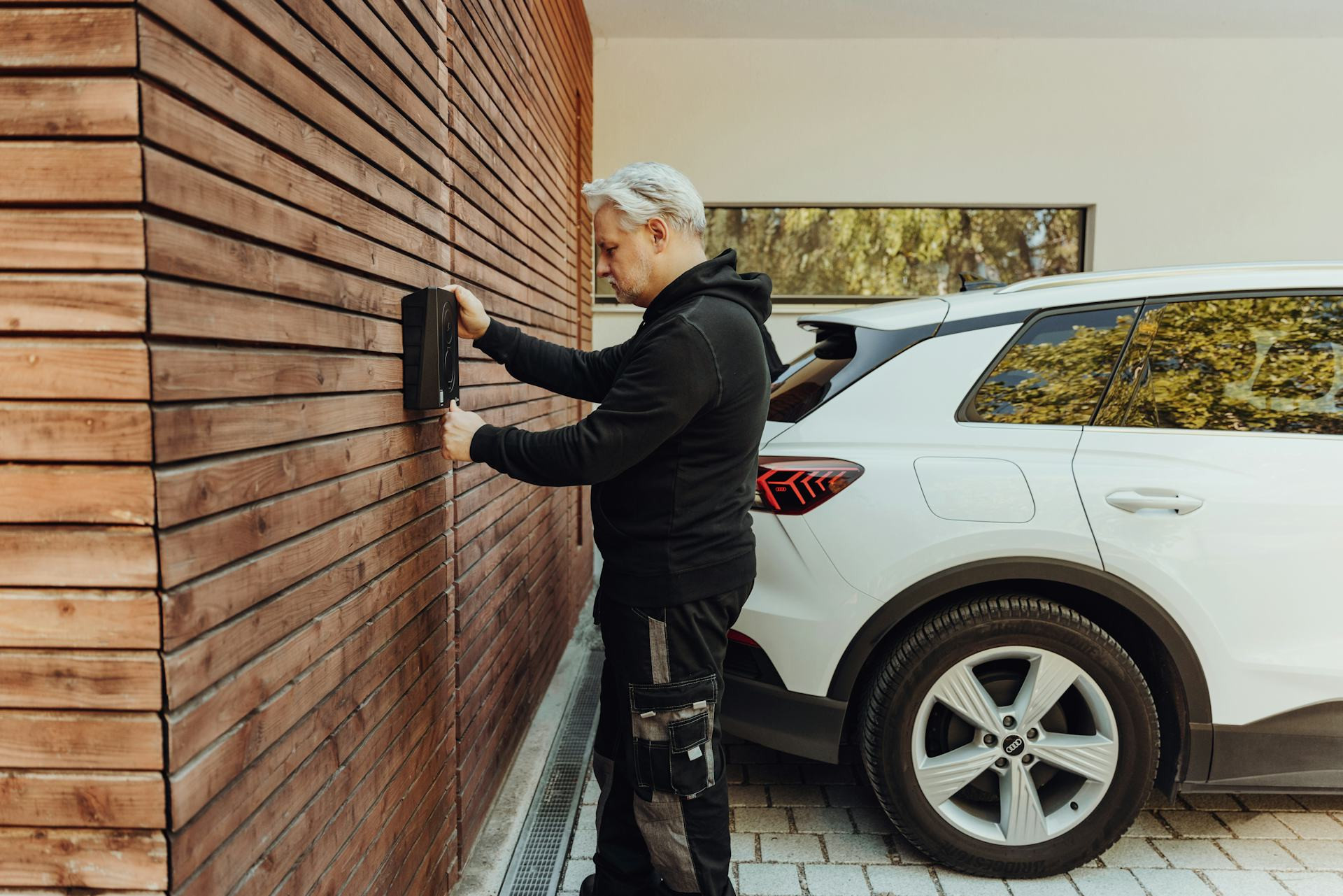
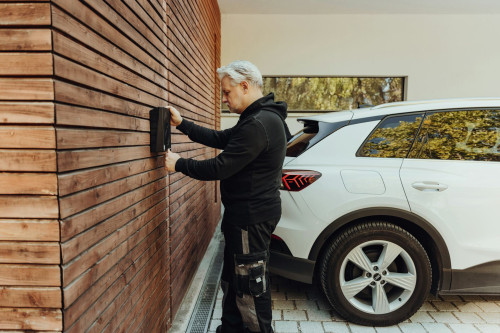
Leasing companies are also increasingly offering “green” packages, combining electric cars with home charging solutions or renewable energy tariffs. This makes it easier for consumers to take a step towards more sustainable mobility.
A trend that’s here to stay
The rise of private car leasing reflects a broader change in consumer behaviour: a move from ownership to access. Just as we stream music instead of buying CDs and rent holiday homes instead of owning them, more people are choosing to lease their cars for the flexibility and simplicity it offers.
For some, owning will always make the most sense – especially for high-mileage drivers or those who want full control over their vehicle. But for many modern motorists, leasing has become an attractive alternative that fits a lifestyle focused on mobility, financial security, and environmental awareness.
Læs også: