Comfort or Economy? How to Find the Right Balance for Your Next Car Purchase

Comfort or Economy? How to Find the Right Balance for Your Next Car Purchase
When it’s time to buy a new car, one question quickly arises: should you prioritise comfort or economy? For most drivers, it’s a balancing act between enjoying a pleasant driving experience and keeping running costs under control. The good news is that you don’t necessarily have to sacrifice one for the other. Here’s a guide to help you find the right balance for your next car purchase.
Know Your Needs – and Be Honest About Them
The first step is to take a realistic look at how you actually use your car. Do you mostly drive short distances around town, or do you commute long miles on the motorway? Do you need space for family and luggage, or are you usually driving alone?
- City driving and short trips: A smaller car with low fuel consumption or an electric motor can be ideal. Comfort here means easy parking and low running costs.
- Long journeys and motorway driving: Noise levels, seat comfort and suspension matter more. A slightly larger car with better insulation and a stronger engine may be worth the extra cost.
- Family and leisure: Think about flexibility – rear seat space, boot capacity and the option for a tow bar can make a big difference.
Once you understand your driving habits, it becomes easier to see where you’ll get the most value for your money.
Comfort Costs – But Not Always as Much as You Think
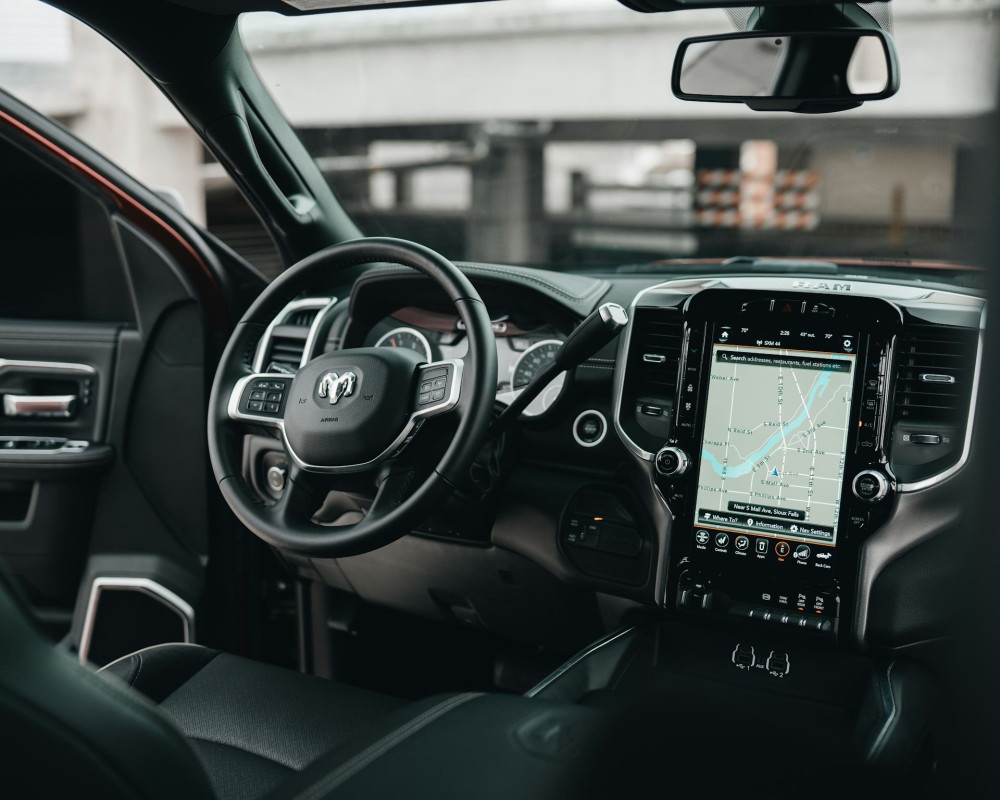
Comfort isn’t just about luxury. It’s also about features that make everyday driving easier and safer. Air conditioning, supportive seats, a quiet cabin and modern driver-assistance systems can make a huge difference, especially if you spend hours behind the wheel.
However, comfort features can quickly add to the price. It’s worth considering which ones you’ll genuinely use.
- Essential: Air conditioning, adjustable driver’s seat, cruise control.
- Nice to have: Heated seats and steering wheel, adaptive cruise control, parking sensors.
- Luxury: Leather upholstery, panoramic roof, premium sound system.
Often, a mid-range trim level offers a good balance of comfort and cost. Take time to test-drive different versions – it’s the best way to see what you’re really getting for your money.
Economy – More Than Just the Purchase Price
When assessing a car’s economy, look beyond the price tag. The total cost of ownership depends on several factors:
- Fuel or electricity consumption: A car that goes further on a litre of fuel or uses less electricity can save you hundreds of pounds each year.
- Insurance and tax: Smaller cars and electric vehicles often come with lower annual costs.
- Maintenance: Some brands and models are cheaper to service and repair than others.
- Resale value: Popular models tend to hold their value better, which can make them cheaper in the long run.
Create a realistic budget that includes purchase price, running costs and any finance payments. This gives you a clearer picture of what the car will actually cost you each month.
Læs også:

Electric, Hybrid or Petrol – What Suits You Best?
The car market is changing fast, and your choice of powertrain has a big impact on both comfort and economy.
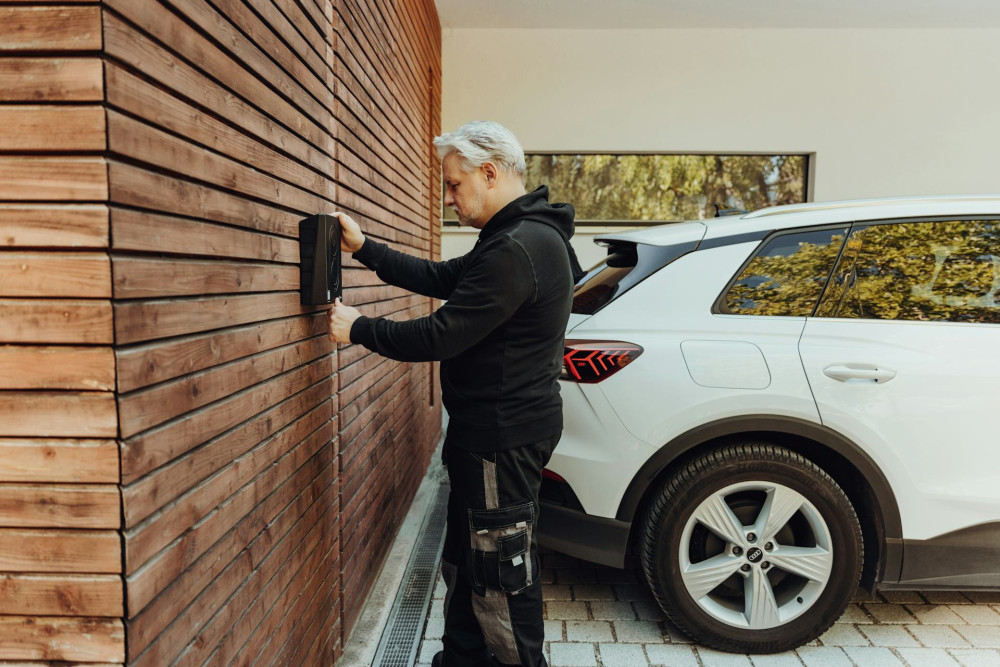
- Electric: Quiet, smooth and cheap to run, but requires access to charging and usually comes with a higher upfront cost.
- Hybrid: Combines petrol and electric power for lower fuel use and flexibility. Comfort levels are often high, though maintenance can be more complex.
- Petrol or diesel: Still a good option for many, especially if you drive long distances or don’t have easy access to charging points.
Think about how you drive and how long you plan to keep the car. That will help you decide which option offers the best balance between comfort and cost.
Make the Most of the Test Drive
A test drive isn’t just about checking performance. Use it to see how the car fits into your daily life.
- Are the seats comfortable after 20 minutes on the road?
- Is the cabin quiet enough for a conversation?
- Is the technology intuitive, or does it feel distracting?
Take your time – and try several models if you can. The car that feels right is often the one you’ll be happiest with in the long term.
The Balance Lies in the Whole Picture
The perfect compromise between comfort and economy depends on your priorities. For some, low running costs are key. For others, a smooth, quiet drive matters more.
Ultimately, it’s about finding a car that fits your life – not just your budget. When you understand your needs, consider the total cost of ownership and choose features wisely, you can enjoy both comfort and practicality in one well-balanced package.
Læs også: