Stop the Impulse Buys: How to Become More Mindful of Your Financial Decisions

Stop the Impulse Buys: How to Become More Mindful of Your Financial Decisions
We’ve all been there: you pop into the shop for a loaf of bread and come out with a scented candle, a magazine, and a multipack of crisps you didn’t plan to buy. Impulse purchases happen quickly and often without us realising it. But those small, spontaneous buys can quietly add up and strain your budget over time. The good news is that with a bit of awareness and a few simple strategies, you can learn to make more thoughtful financial decisions.
Why We Fall for Impulse Buys
Impulse buying is rarely about need – it’s about emotion. Retailers, adverts, and social media are designed to trigger our desire for instant gratification and our fear of missing out. When we see a “limited-time offer” or “only a few left in stock,” our brains release a little hit of dopamine that pushes us to act fast.
Tiredness, stress, and boredom also make us more vulnerable. Many people use shopping as a quick mood boost, but the lift is short-lived – and the bank balance is left to deal with the consequences.
Know Your Triggers
The first step to stopping impulse buys is understanding when and why they happen. Try keeping a short diary for a week: note down when you buy something on a whim and what triggered it. Were you stressed, bored, or tempted by a sale?
Once you recognise your patterns, you can start to change them. If you tend to shop online when you’re bored, find another way to fill that time – go for a walk, call a friend, or make yourself a cup of tea.
Create Space Between Wanting and Buying
A simple but powerful technique is to introduce a “cooling-off” period. Give yourself 24 hours before buying anything that wasn’t planned. Often, the urge fades once you’ve had time to think about whether you really need it.
You can also keep a wish list. Instead of buying something straight away, write it down. Revisit the list after a few days – you’ll probably find that many of those “must-haves” no longer feel so essential.
Make Impulse Buying More Difficult
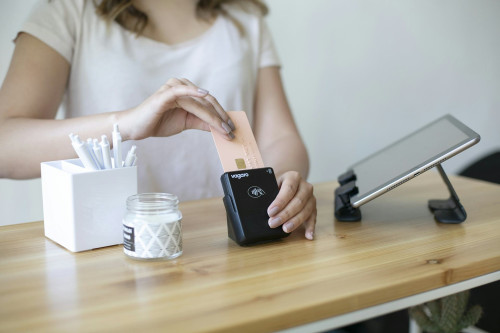
Small practical changes can make a big difference. Remove saved payment details from online shops so you have to enter your card number each time. Unsubscribe from marketing emails and social media ads that tempt you, and avoid browsing shopping apps when you’re bored.
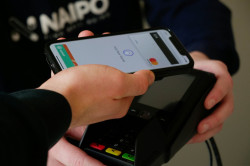
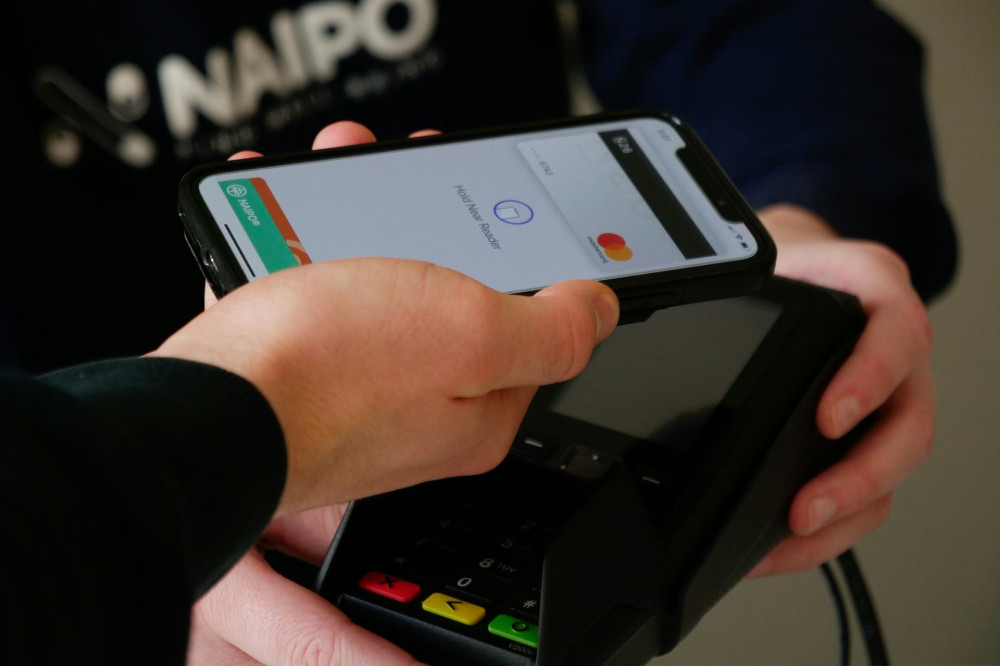
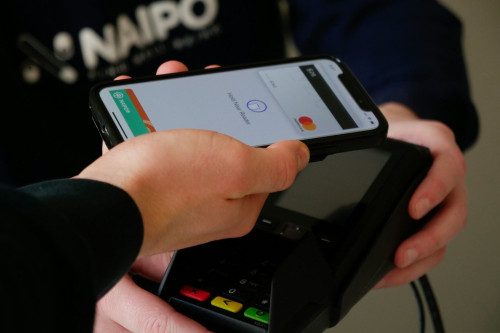
In physical shops, bring a shopping list and stick to it. If possible, pay with cash rather than contactless – handing over real money makes the cost feel more tangible.
Plan Your Spending
Planning your spending helps you stay in control. Create a monthly budget that covers essentials, savings, and leisure. Knowing exactly how much you can spend makes it easier to resist emotional purchases.
You might also set up a “fun fund” – a small amount of money you can spend freely on treats. That way, you can still enjoy spontaneous moments without guilt or financial stress.
Make Mindful Spending a Habit
Becoming more mindful about money isn’t about denying yourself everything; it’s about choosing with intention. Ask yourself: “Will this purchase genuinely improve my life, or is it just filling a momentary gap?”
When you start thinking this way, it becomes easier to prioritise what truly matters to you – and to say no to the rest. Over time, you’ll not only save money but also gain a greater sense of control and calm around your finances.
Læs også:
Small Steps, Big Impact
No one becomes financially mindful overnight. It’s about taking small, consistent steps and being patient with yourself. Every time you resist an impulse buy, you’re moving towards a healthier relationship with money – and a more intentional way of living.
Læs også: