Small Changes, Big Difference: Routines That Strengthen Your Finances


Small Changes, Big Difference: Routines That Strengthen Your Finances
A healthy financial life rarely depends on dramatic decisions. More often, it’s the small, consistent habits that make the biggest difference over time. By building simple routines around spending, saving, and planning, you can strengthen your finances without feeling restricted. Here’s how a few small changes can help you gain more control and peace of mind.
Know Your Spending – and Make It Visible
The first step towards stronger finances is understanding where your money goes. Many people are surprised when they see how much they actually spend on coffee, takeaways, or unused subscriptions.
Take a month to review your spending. You can use your online banking app, a budgeting app, or a simple spreadsheet. Divide your expenses into categories such as groceries, transport, entertainment, and bills. Seeing the numbers clearly helps you spot where you can make adjustments.
A good habit is to set a regular “money check-in” – for example, the first Sunday of each month – to review your finances. It doesn’t take long, but it gives you a clear picture of your situation and helps you stay on track.
Make Saving Automatic
Saving doesn’t have to be complicated. The key is consistency. Set up a standing order to move money into your savings account each month, ideally just after payday. That way, saving becomes automatic rather than something you have to think about.
Even small amounts add up. Saving £25 a month becomes £300 a year – and more if you earn interest or invest. Over time, this builds a financial cushion that makes life less stressful when unexpected costs arise.
Plan Your Shopping
Impulse buying is one of the biggest threats to a healthy budget. A simple routine of planning your purchases can make a big difference.
For groceries, create a weekly meal plan and write a shopping list before heading to the supermarket. This helps you avoid unnecessary items and make better use of discounts and loyalty offers.
For larger purchases, give yourself a “cooling-off” period. Wait 24 hours before deciding. Often, the urge to buy fades once you’ve had time to think – and if it doesn’t, you can buy with confidence knowing it’s a considered choice.
Læs også:


Use Technology to Your Advantage
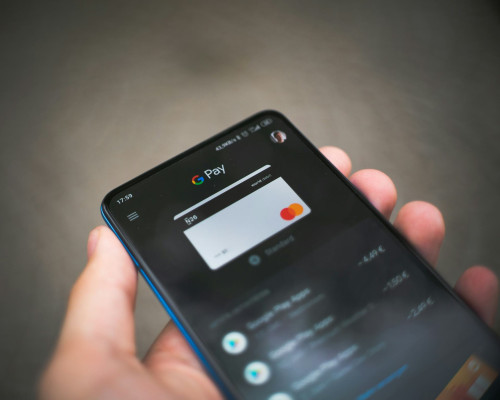
There are plenty of digital tools that can help you manage your money more effectively. Budgeting apps can categorise your spending automatically, send reminders for bills, and show where your money goes each month.
You can also use price comparison websites and deal alerts to make sure you’re getting the best value on everything from broadband to insurance. These tools make it easier to spend wisely and avoid unnecessary costs.
Build Financial Routines
Just as you brush your teeth every day, you can create small financial habits that keep you on track. For example:
- Check your bank balance once a week to stay aware of your spending.
- Review your subscriptions every few months – you might be paying for services you no longer use.
- Once a year, compare your insurance, energy, and mobile contracts to see if you can get a better deal.
These small routines take little time but can save you hundreds of pounds over the year.
Think Long-Term – But Stay Realistic
Strong finances aren’t just about cutting back; they’re about setting priorities. It’s important to find a balance between enjoying life now and preparing for the future.
Set goals that fit your situation – whether it’s paying off debt, saving for a holiday, or starting an investment plan. Having clear goals makes it easier to stay motivated and measure your progress.
Small Steps, Big Impact
Changing financial habits can feel overwhelming, but you don’t have to do everything at once. Start with one area – perhaps tracking your spending or setting up an automatic savings transfer. Once that becomes routine, move on to the next step.
Over time, these small changes add up to a noticeable difference. You’ll gain more control, reduce stress, and build a financial foundation that supports your goals – one small step at a time.
Læs også: