Play Responsibly: How to Build Healthy Habits and a Balanced Relationship with Gaming

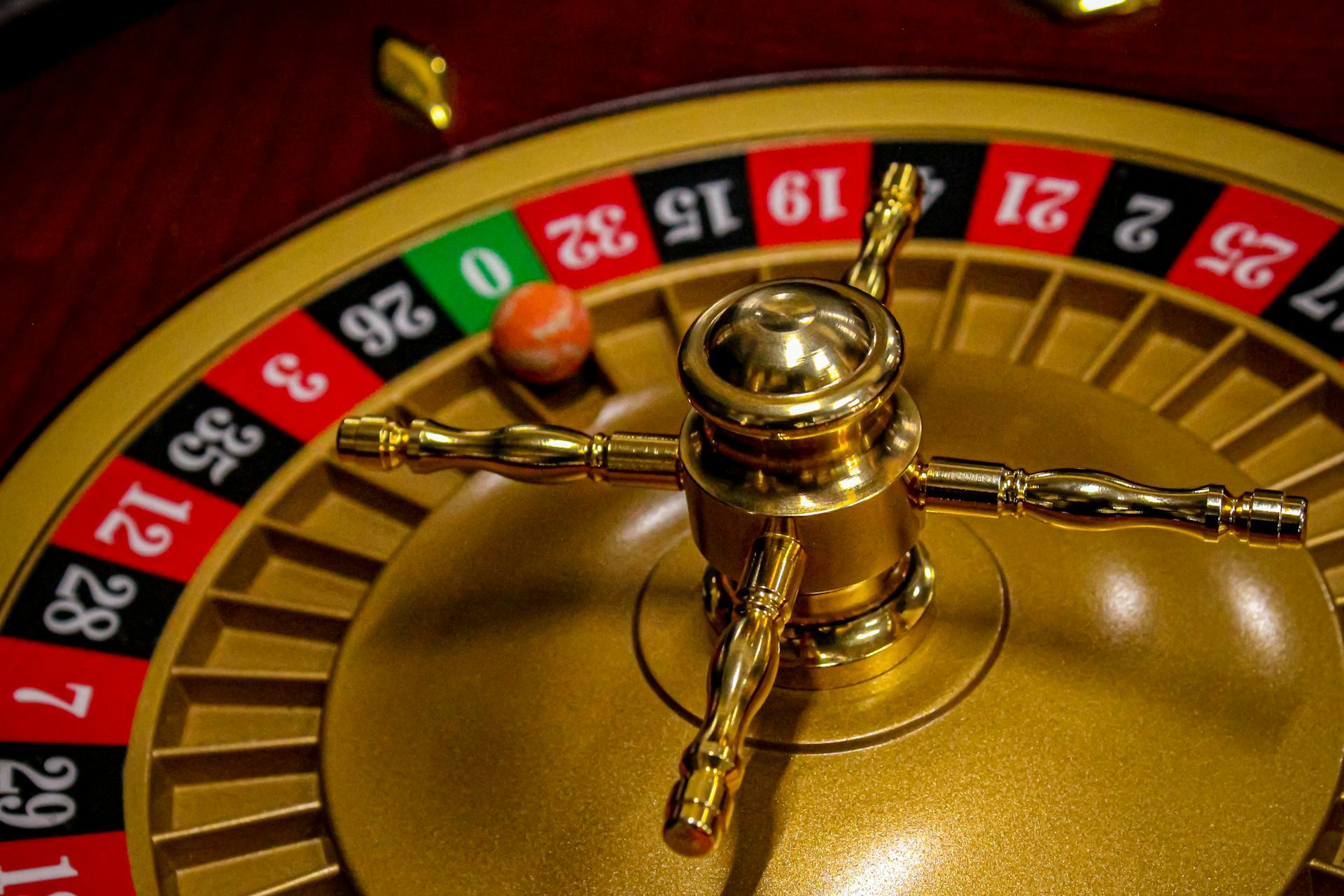
Play Responsibly: How to Build Healthy Habits and a Balanced Relationship with Gaming
Gaming can be fun, exciting and social – but for some, it can also become a challenge. Whether you enjoy online casinos, sports betting or video games, the key is finding the right balance. Playing responsibly doesn’t mean giving up gaming altogether; it means making conscious choices, setting limits and staying in control. Here’s how you can build healthy habits and maintain a balanced relationship with gaming.
Understand Why You Play
The first step towards a healthy relationship with gaming is understanding what motivates you. Do you play for entertainment, for the thrill, or to win money? Knowing your reasons helps you set realistic boundaries.
- Entertainment: If gaming is mainly about fun, treat it as a hobby – not a source of income.
- Excitement: If you’re chasing the adrenaline rush, consider other activities that offer similar excitement, such as sports or competitive games without money involved.
- Financial gain: If you play to win, remember that the odds are always against you. Never gamble with money you can’t afford to lose.
Being honest with yourself is the foundation of responsible play.
Læs også:


Set Clear Limits – and Stick to Them
One of the most effective ways to play responsibly is to set limits before you start. This applies to both time and money.
- Create a budget: Decide how much you can afford to spend on gaming each month – and stick to it.
- Set time limits: Plan how long you’ll play in one session, and use alarms or apps to remind you to take breaks.
- Keep gaming separate from your finances: Use a separate account for gaming so it doesn’t interfere with your essential expenses.
Setting limits isn’t about restricting enjoyment – it’s about ensuring gaming remains a positive part of your life.
Recognise the Warning Signs
For most people, gaming is a harmless pastime, but for some, it can become problematic. It often happens gradually, so it’s important to recognise the warning signs.
Be alert if you:
- Play to escape worries or to recover losses.
- Hide how much time or money you spend on gaming.
- Borrow money to keep playing.
- Feel restless or irritable when you can’t play.
If any of these sound familiar, it might be time to take a break or seek advice. In the UK, free and confidential support is available through organisations such as GamCare, BeGambleAware, and the National Gambling Helpline (0808 8020 133).
Make Gaming Part of a Balanced Lifestyle
A healthy relationship with gaming also means having a life that doesn’t revolve around it. Make sure gaming doesn’t take time or energy away from other important areas – like family, work, exercise and social connections.
- Plan your gaming time: Treat gaming as one of several leisure activities.
- Take breaks: Step away from the screen regularly, especially after a loss.
- Explore other interests: The more sources of joy you have, the less gaming will dominate your routine.
Balance comes when gaming is just one of many enjoyable parts of your life.
Use the Tools Available
Most gaming and betting platforms now offer tools to help you play responsibly. These include:
- Deposit limits – to control how much you can spend.
- Time reminders – to keep track of how long you’ve been playing.
- Self-exclusion options – allowing you to take a break from gaming for a set period.
These tools are designed to help you stay in control. It’s a good idea to activate them even if you don’t feel you have a problem – they act as a safety net.
Talk Openly About Gaming
Gaming can be a sensitive topic, but openness makes it easier to maintain a healthy relationship with it. Talk to friends or family about how you play and how you feel about it. If you notice gaming taking up too much space in your life, sharing your thoughts can be the first step towards change.
There are also support groups and online communities where you can connect with others who are working towards balance. Reaching out isn’t a sign of weakness – it’s a sign of strength and self-awareness.
Play Responsibly – and Enjoy It
Playing responsibly isn’t about saying no to gaming; it’s about saying yes to control, awareness and balance. When you understand your motivations, set clear limits and use the tools available, gaming can remain a fun and rewarding part of life – without taking over.
Gaming should be entertainment, not a burden. With mindfulness and balance, you can make sure it stays that way.
Læs også: