Green homes, lower costs: When sustainability pays off

Green homes, lower costs: When sustainability pays off
Sustainability at home isn’t just about protecting the planet – it can also make sound financial sense. Across the UK, more homeowners are discovering that green upgrades such as better insulation, solar panels and water‑saving systems not only cut carbon emissions but also bring down energy and water bills. Here’s how sustainable living can pay off – for both the environment and your wallet.
Energy efficiency: The quickest route to lower bills
A good starting point is your home’s energy use. Many British houses, especially older ones, lose heat through draughty windows, poor insulation and outdated heating systems. Improving energy efficiency is often one of the most cost‑effective investments you can make.
- Insulating lofts and walls can dramatically reduce heat loss and pay for itself within a few years.
- Replacing old windows with double or triple glazing keeps warmth in and improves comfort.
- Upgrading to a modern heating system, such as an air‑source or ground‑source heat pump, can cut heating costs by up to half compared with an old gas or oil boiler.
Government schemes like the Great British Insulation Scheme and Boiler Upgrade Scheme can help cover part of the cost, and improving your home’s Energy Performance Certificate (EPC) rating can also increase its market value.
Solar power and renewable electricity
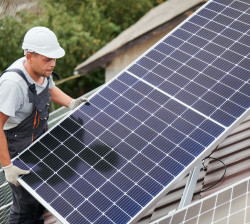
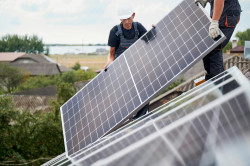
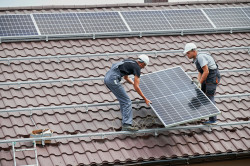
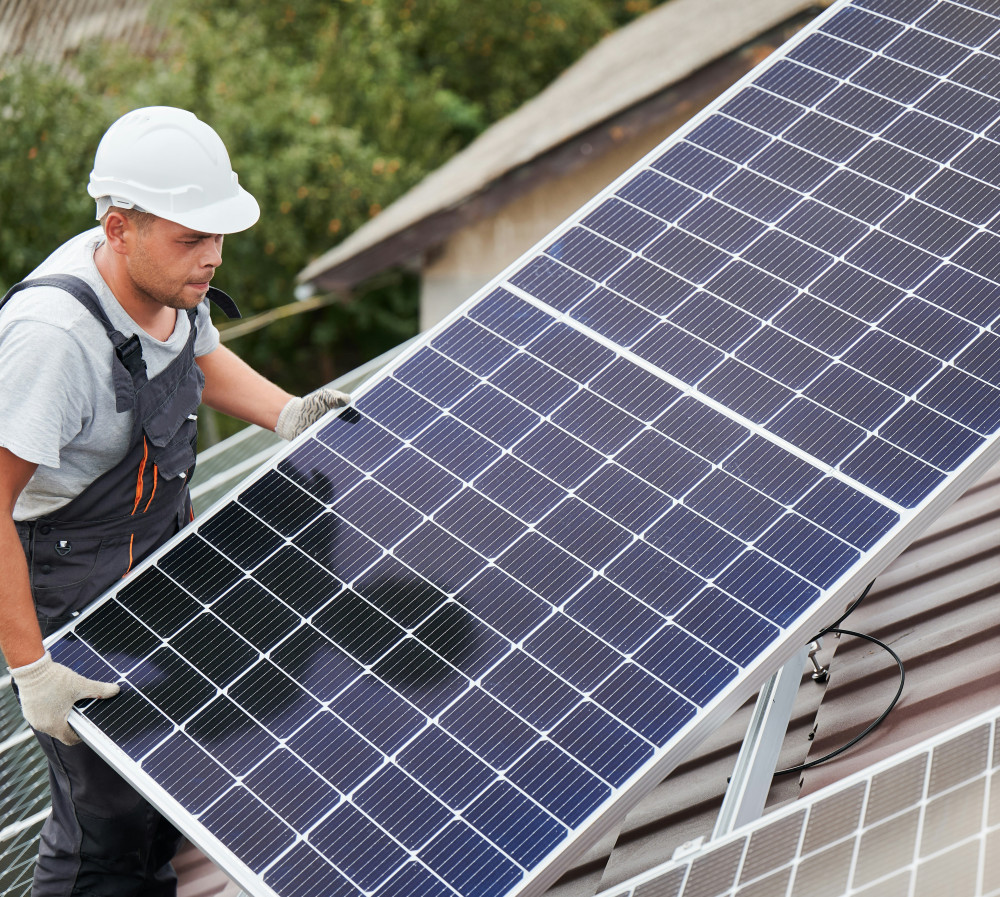
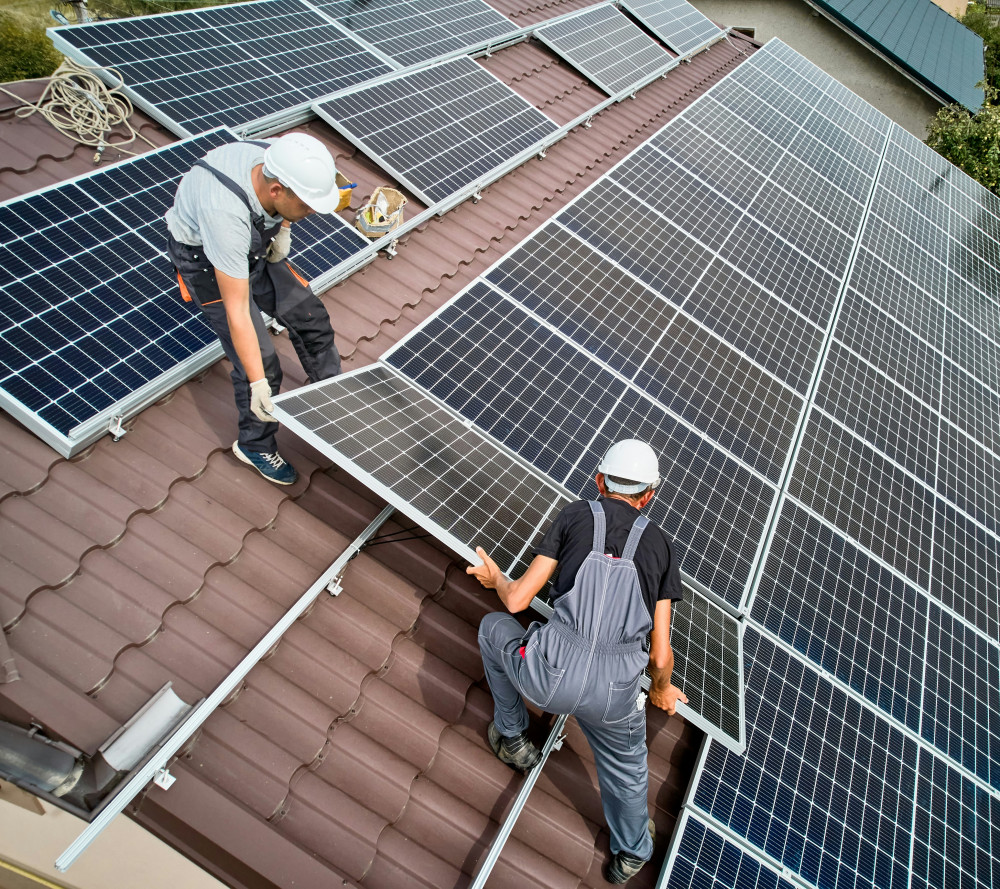
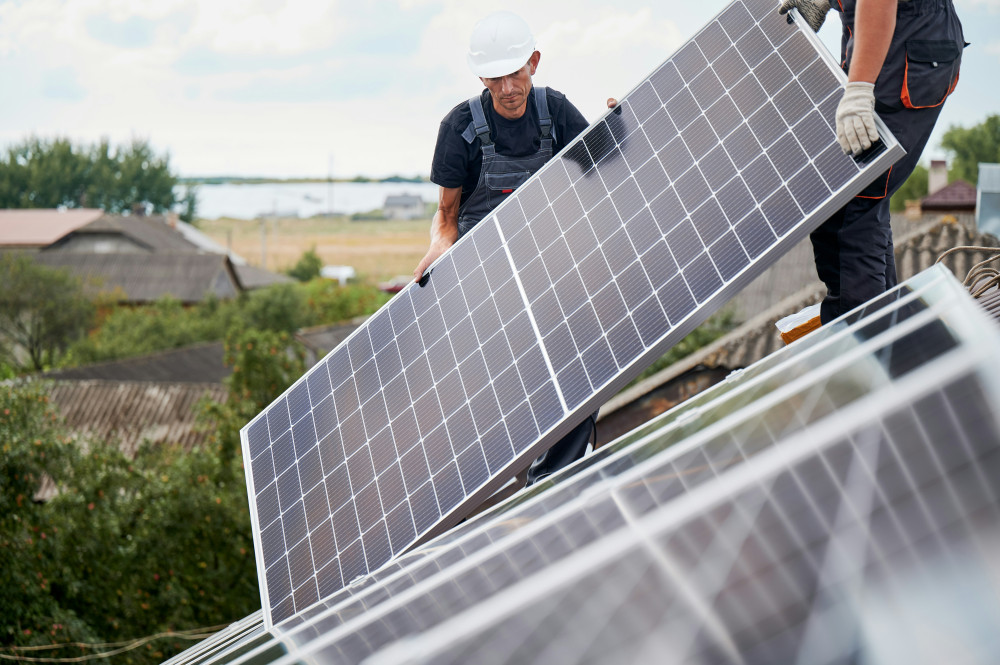
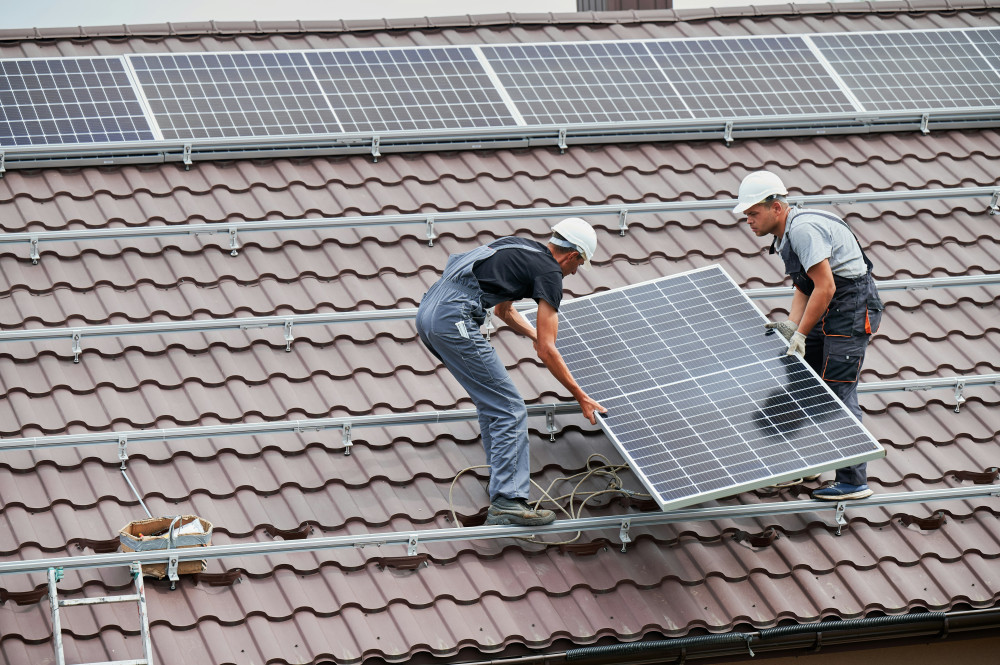
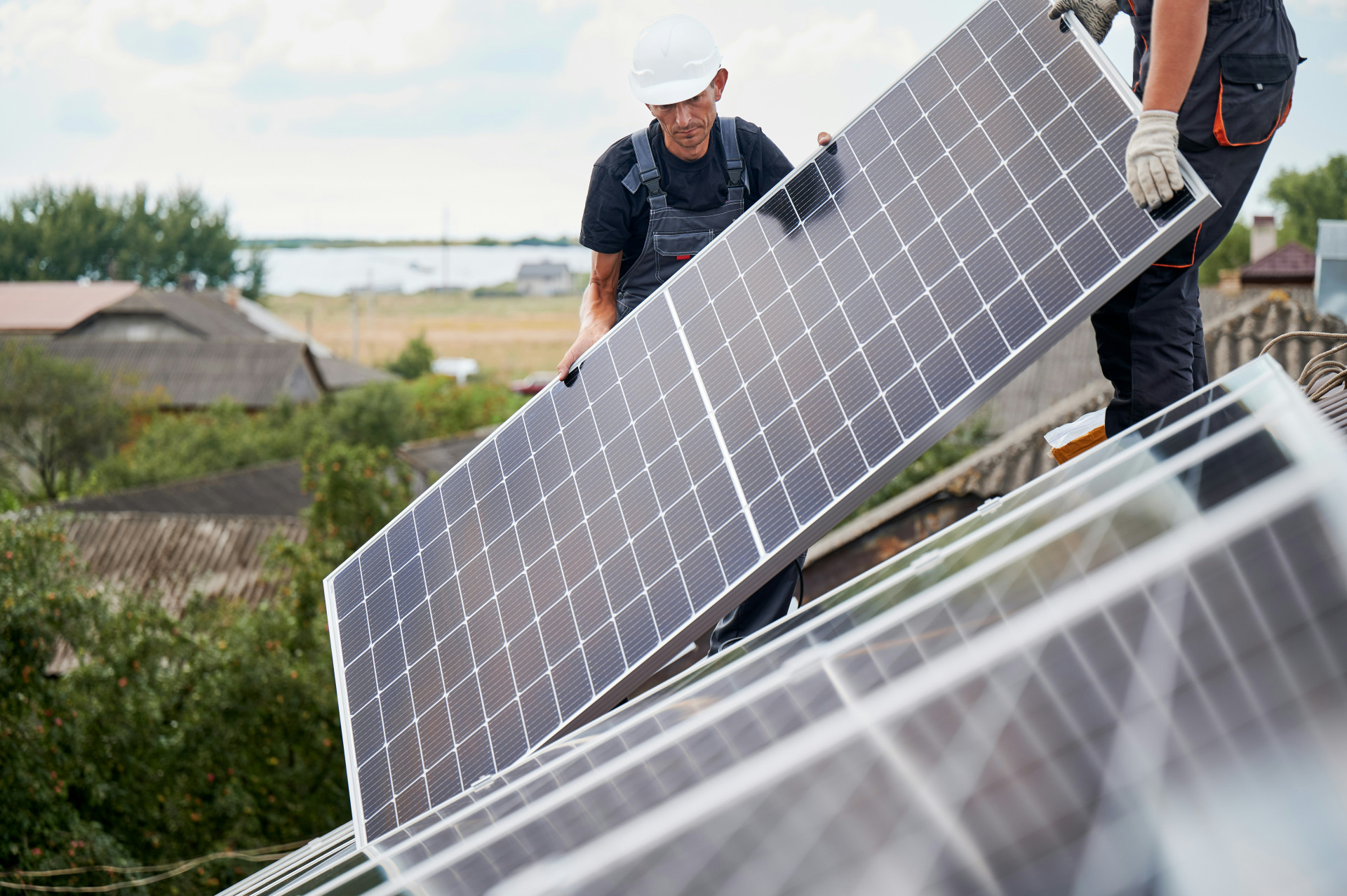
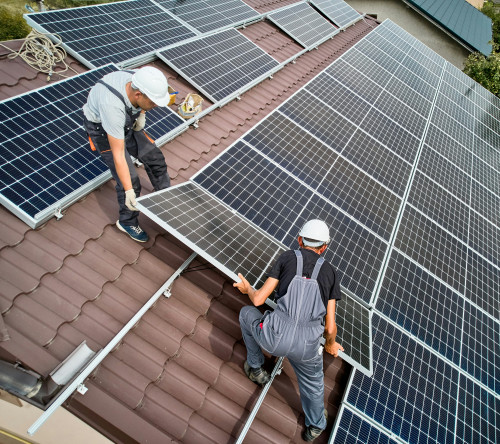
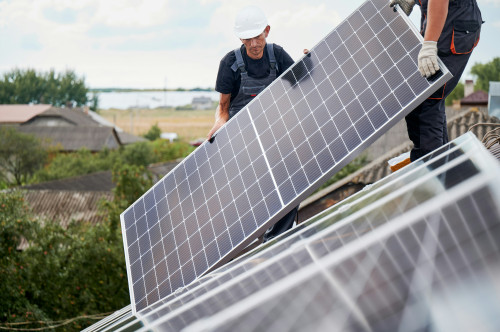
Solar panels have become a familiar sight on UK rooftops, and for good reason. The cost of installation has fallen sharply, while electricity prices have risen, making solar energy more attractive than ever.
A well‑sized solar system can supply much of a household’s electricity, especially when paired with a battery storage unit that saves excess power for evening use. If you own an electric vehicle, you can even integrate it into your home energy system – charging it when the sun shines and using stored energy later.
If solar panels aren’t an option, you can still choose renewable electricity tariffs from your energy supplier. These tariffs often cost little more than standard ones but significantly reduce your carbon footprint.
Water savings and smart technology
Water may seem abundant, but with rising utility costs and increasing drought risks in parts of the UK, saving water makes both environmental and financial sense. Simple measures can make a big difference:
- Low‑flow taps and dual‑flush toilets reduce water use without affecting comfort.
- Rainwater harvesting systems can supply water for garden use or toilet flushing.
- Smart water meters help track consumption and detect leaks early, preventing costly damage.
These upgrades are relatively inexpensive and deliver ongoing savings year after year.
Sustainable materials and healthy living
When renovating or redecorating, the materials you choose matter. Opting for timber from certified sustainable sources, low‑VOC paints and recycled or reclaimed materials reduces environmental impact and improves indoor air quality.
A healthier home environment means less damp, fewer allergens and lower heating and ventilation needs. Over time, that translates into reduced maintenance costs and greater comfort.
The economics of going green
Many people assume that sustainable choices are expensive, but the opposite is often true when you look at the long term. Energy‑saving improvements and renewable technologies typically pay for themselves through lower running costs within a few years. They also make your property more attractive to buyers.
Several UK banks now offer green mortgages or preferential loan rates for energy‑efficient homes, and local councils may provide grants or advice for eco‑friendly upgrades. The financial case for sustainability has never been stronger.
Læs også:


A sustainable future starts at home
Making your home greener isn’t just an act of environmental goodwill – it’s a practical, forward‑thinking decision. Every improvement, big or small, helps cut energy use, improve comfort and stabilise household finances. And perhaps most importantly, it shows that the journey towards a sustainable future begins right where we live.
Læs også: