Mobile Payments vs. Traditional Cards: Who’s Winning?

Mobile Payments vs. Traditional Cards: Who’s Winning?
In the last ten years, there have been significant changes in our payment methods. In the past, individuals depended on cash and credit/debit cards for payments. However, currently, one can make mobile payments, which are very common.
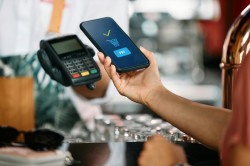
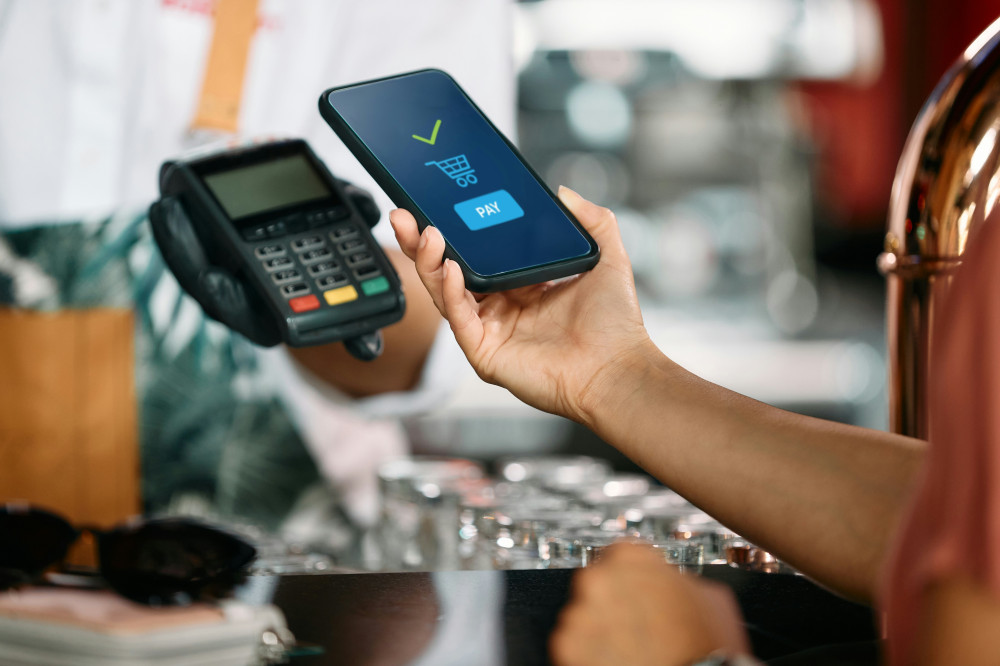
Today, we see people paying for food at the cafe with their phones or shopping at a local supermarket and using digital wallets for this activity more and more often. It is now possible to pay with Apple Pay, Google Pay, Samsung Pay, etc., without having to take out money/think of the cash in your wallet. The change has raised an interesting question about the future role of mobile payments and whether they will overthrow the traditional card system.
Convenience and Safety in the Digital Age
One of the biggest reasons mobile payments are gaining ground is convenience. Many people feel that online payment is quicker and smoother than handling cash or even using a card. Purchasing is made easy through a few taps on your phone, thereby saving time that would have otherwise been wasted in the line of checking. Most mobile applications have an option for storing data about your payment means and delivery address, which enables quick transactions.
In addition to being fast, is it possible that mobile payments could be safer than hard cash? Encryption and tokenization are some security measures in place in digital wallets that serve to safeguard the confidentiality of your card information. Even if one loses their phone, biometrics like fingerprint scanners or facial recognition ensure that it stays safe most of the time. Many people think that they make smarter decisions when they use mobile payments because of their combination of pace and safety.
Traditional Cards Still Hold Power
Regardless of the hype on mobile payment, the conventional modes of payment, such as credit and debit cards, remain in use for now. Many individuals are still comfortable with their cards because they have been using them over the years. It is easier to swipe or insert a card because one does not have to worry about an internet connection or whether there is enough charge left in the battery.
Additionally, most credit cards give clients some advantages, including cashback and travel points, among others. These are all valid arguments for why people continue to prefer using plastic cards. Some individuals also feel that it is easier to follow their expenses when they use cards than when they utilize any other means of making payments. On top of that, as much as these card readers are advancing today, there are still a few retail stores here and there that don’t take mobile payments.
Looking Ahead: Who’s Winning?
Is mobile payment surpassing traditional credit cards? Currently, it’s a draw. It is evident that people are increasingly using mobile payments because they are easy to use, and there have been advances in technology. However, people continue to use cards at a high rate since they are comfortable with them, trust them, and think that they are very beneficial. It seems probable that neither of the two will completely win.
In other words, individuals will continue using these approaches but will select what is appropriate at a given time. Whether you prefer tapping on your phone or swiping your card, the real champion here is any buyer who will gain more alternatives and comfortable ways of paying.